


EFAMA has today published its latest monthly Investment Fund Industry Fact Sheet, which provides net sales data on UCITS and AIFs for April 2023, at European level and by country of fund domiciliation.





EFAMA has today published its latest monthly Investment Fund Industry Fact Sheet, which provides net sales data on UCITS and AIFs for April 2023, at European level and by country of fund domiciliation.

EU asset managers, banks and brokers are today urging policy makers not to concede to pressure which will lead to suboptimal outcomes in the review of the Markets in Financial Instruments Directive (MiFID/R).

On the occasion of its annual general meeting held on Friday 16 June in Amsterdam, Sandro Pierri, CEO of BNP Paribas Asset Management, was elected as EFAMA’s President for a two-year term, running until June 2025. Sandro Pierri has been the CEO of BNP Paribas Asset Management since 2021. He has over 30 years of experience in various leadership roles within the asset management industry, including as former CEO of Pioneer Investments.

EFAMA offers a detailed view on the active accounts proposal in this paper. Costs to the end investor are broken down into two main buckets i) operational build-out and ii) in nominal terms the much larger impact of loss of netting efficiencies. Potential impacts on financial stability are also examined, with a focus on the widening basis which will result from large volumes of one-directional flows onto an EU-CCP. The impact on margins and procyclicality are also studied. The analysis points to increased liquidity risk for

EFAMA's Annual Review highlights our key achievements over the past 12 months and provides a useful overview of the main topics we cover.

EFAMA has today published its International Quarterly Statistical Release regarding the developments in the worldwide investment fund industry during the first quarter of 2023.

Today, the European Commission has released their proposal for a regulation on ESG ratings and data providers.

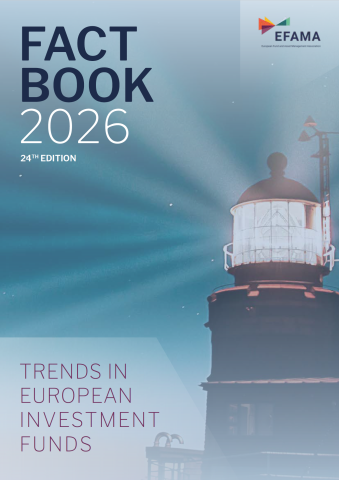
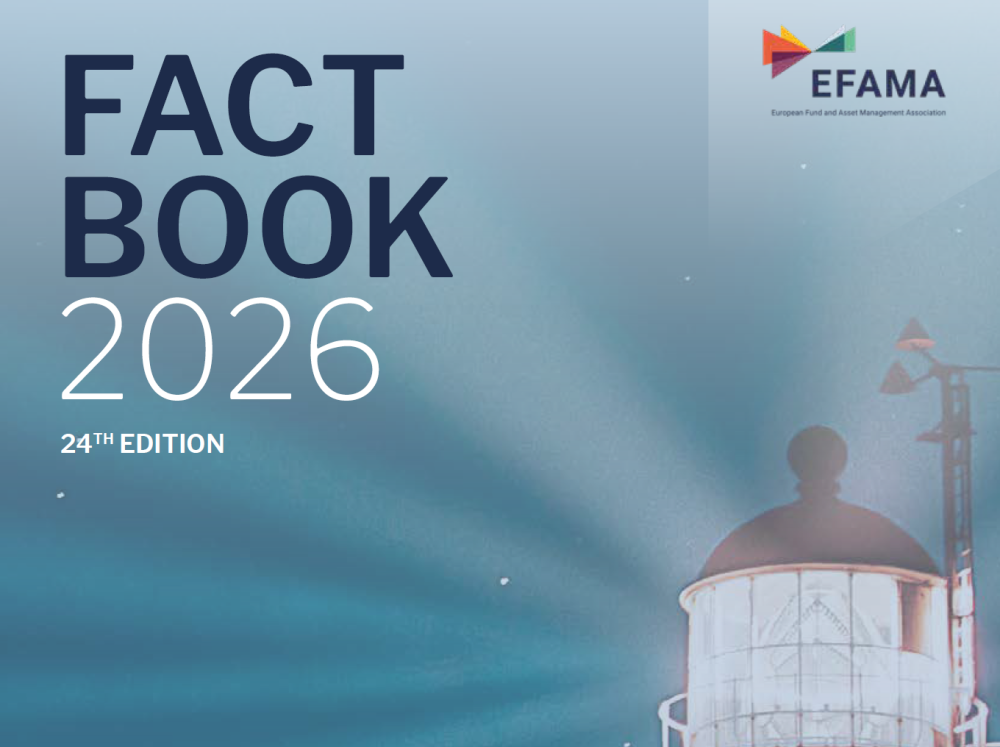
EFAMA has today published its 2023 industry Fact Book, which provides an in-depth analysis of trends in the European fund industry, with an emphasis on what happened in 2022.




EFAMA welcomes the European Commission’s Call for Evidence on Supplementary Pensions and supports the Savings and Investments Union’s goals to develop supplementary pensions and to provide savers with adequate retirement investment opportunities.




Discover the 6 reasons why your organisation should become a member of EFAMA.
Our members enjoy significant benefits including the opportunity to shape the industry positions, get first-hand access to regulatory and political intelligence, engage with industry peers and policymakers, and take part in EFAMA events.
Our three membership categories cater to the wide range of organisations that make up and support the investment management industry in Europe.