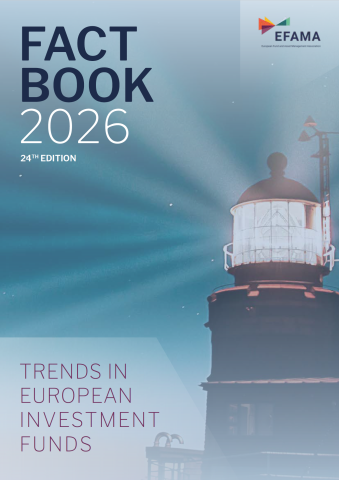



Today, EFAMA has published its latest International Quarterly Statistical Release for Q4 2024.





Today, EFAMA has published its latest International Quarterly Statistical Release for Q4 2024.

EFAMA’s new brochure emphasizes the benefits of investing early

Today’s communication of the European Commission, “Savings and Investments Union – a Strategy to Foster Citizens Wealth and Economic Competitiveness in the EU” is a major step towards finally developing deeper, more integrated capital markets that the European Union absolutely needs. Achieving the goals of the SIU will help improve citizens’ financial well-being, meet the financing needs of EU companies and improve their competitiveness.


Interactive session to showcase EFAMA’s new tool and support members in complying with the EU AI Act
EFAMA is pleased to invite its members to a dedicated Q&A session introducing the AI System Assessment Tool, taking place on Tuesday 18 March, from 16:00 to 16:45 CET.
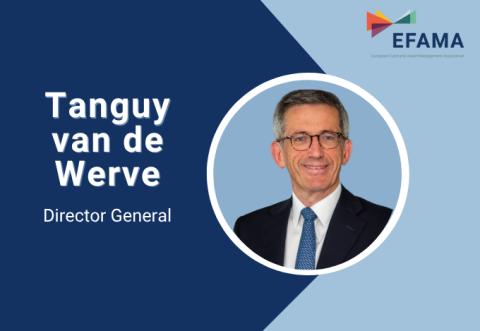
This article was first published in Funds Europe on 6 March 2025.
Renewed efforts must be made to encourage citizens to invest, writes Tanguy van de Werve, EFAMA director general. This includes collaboration to radically simplify the Retail Investment Strategy.


EFAMA has today published its European Quarterly Statistical Release for the fourth quarter of 2024, together with an overview of the full year 2024.



EFAMA, AFME, BVI and Cboe Europe Agree Cross-Industry Consensus on EU Equity Consolidated Tape
Monday 30 May, 2022 - AFME, BVI, Cboe Europe and EFAMA have today jointly published a position paper which provides a set of key principles needed to ensure the successful creation of an EU Equity Consolidated Tape (CT).

A Cross-Industry Consensus on the EU Equity Consolidated Tape Proposal - Statement of Principles
EFAMA, AFME, BVI and Cboe agreed on a set of 11 Principles.
The provision of an appropriately constructed EU Equities Consolidated Tape (“CT”) will democratise access to equities (as proposed by the EU Commission) for all investors, regardless of resources or sophistication, with a comprehensive and standardised view of EU equities prices.


EFAMA appreciates the opportunity to respond to the IOSCO Retail Market Conduct Task Force's consultation on retail investment trends.
In our view, the IOSCO report provides a comprehensive picture of the retail market trends and risk magnifiers.
We also take the opportunity to share our views on the following areas:

EFAMA replied to the OECD Pillar One – Amount A: Regulated Financial Services Exclusion public consultation. Aiming to change the views of those members of the OECD/IF that still maintain that asset managers should not be excluded from Amount A.
In this comment paper, EFAMA is taking the opportunity to:

The European Fund and Asset Management Association (EFAMA) has published its response to the European Commission’s targeted consultation on the functioning of the EU Money Market Fund Regulation (MMFR).
Discover the 6 reasons why your organisation should become a member of EFAMA.
Our members enjoy significant benefits including the opportunity to shape the industry positions, get first-hand access to regulatory and political intelligence, engage with industry peers and policymakers, and take part in EFAMA events.
Our three membership categories cater to the wide range of organisations that make up and support the investment management industry in Europe.