Competitiveness
To remain competitive and at the forefront of innovation, Europe must be open to cross-border flows of knowledge, ideas, capital and investment. The benefit in doing so ultimately accrues to European citizens and businesses.
Europe rightly strives for high regulatory standards. That said, EFAMA strongly believes our rules need to be well calibrated, so Europe can partake in global competition on a level playing field. Our policy work consistently advocates for a dynamic regulatory environment, which enables European financial markets to remain globally competitive.

EFAMA position paper on the Market Integration and Supervision Package

Unlocking private investment to fund Europe's triple transitions
EFAMA’s publication lays out the asset management sector’s policy priorities for the next five years, building on the in-depth expertise of our members. This includes practical recommendations for keeping Europe competitive and developing deeper, more integrated and liquid capital markets in Europe.
The recommendations focus around four main objectives:

EFAMA's feedback on the EU Commission's consultation on the Capital Markets Union High Level Forum Final Report
EFAMA position paper on the Market Integration and Supervision Package
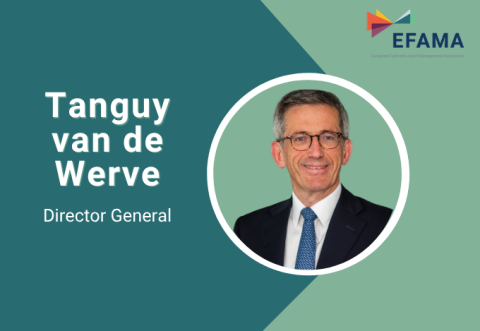
The key is to grow pension assets across the EU
This article was published in Börsen-Zeitung on 15 September 2026.
Tanguy van de Werve, Director General at the European Fund and Asset Management Association, discusses new legislation working its way through Brussels – and why he views pension reform as the real key to providing the capital needed for economic growth.

European Commission’s ambitious market integration package addresses many barriers to the Savings & Investment Union
EFAMA supports the majority of measures but warns against new ESMA supervisory reviews for large asset managers
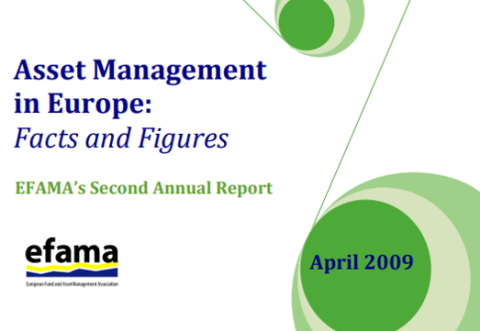
Asset Management Report 2008
While several reports have been published on European asset management, they only provide partial coverage, focusing either on a subset of large asset managers or on domiciliation of investment funds. This EFAMA Asset Management Report represents an effort to provide a comprehensive overview of where assets are managed in Europe, focusing both on the management of investment funds and discretionary mandates.