Capital markets
Investment managers, acting on behalf of their retail and institutional clients, are among the largest investors in financial markets. They represent a key component of the market’s “buy-side” segment.
In representing the interests of its members on wholesale capital market issues, EFAMA advocates for fair, deep, liquid, and transparent capital markets, supported by properly regulated and supervised market infrastructure.
EFAMA position paper on the Market Integration and Supervision Package
MISP debate on EU Equity Market Structure: focusing on what matters

EC targeted consultation on the Review of Regulation on the markets in crypto-assets (Mica)
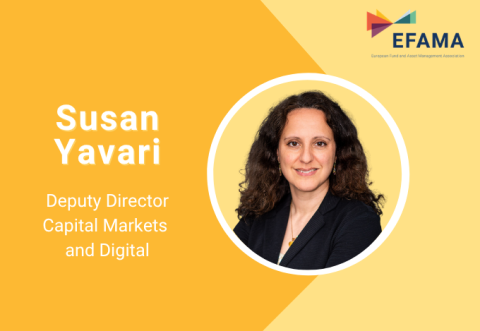
On improvements to the consolidated tape
This article was published on the EFAMA blog on 24 March 2026.

Deepening consolidated tape data now, rather than later, would significantly improve the competitiveness of EU capital markets
EFAMA highlights important use cases in latest publication

EFAMA response to the EBA consultation on the guidelines on the sound management of third-party risk for non-ICT related services

Asset Management in Europe - An Overview of the Asset Management Industry - November 2020
The report aims to provide a unique and comprehensive set of facts and figures on the state of the industry at the end of 2018 but also to highlight the fundamental role of asset managers in the financial system and wider economy.
Annual Review June 2019-June 2020
"It gives me great pleasure to provide you with an overview of our activities since our Annual General Meeting in Paris last year. While we were very much looking forward to hosting you all in Brussels this week, the current crisis and associated travel restrictions has forced us to improvise and turn our meeting into a virtual AGM.
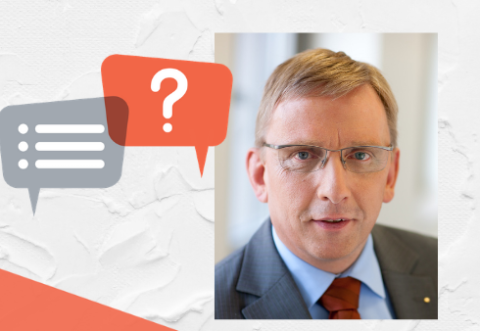
3 Questions to Rudolf Siebel on Market Data Costs
Q #1 Have you witnessed an increase in the cost of market data over the last couple of years? If so, how can it be explained?